EV News · September 14, 2026
Tesla Supercharger Prices Rise Across Canada: What Home Charging Costs Instead
Tesla adjusted Supercharger pricing across Canada on September 11, 2026, and a review of the network found increases at most affected locations. For EV owners who can charge at home, the change is a useful reminder that where you charge can matter almost as much as what EV you drive.
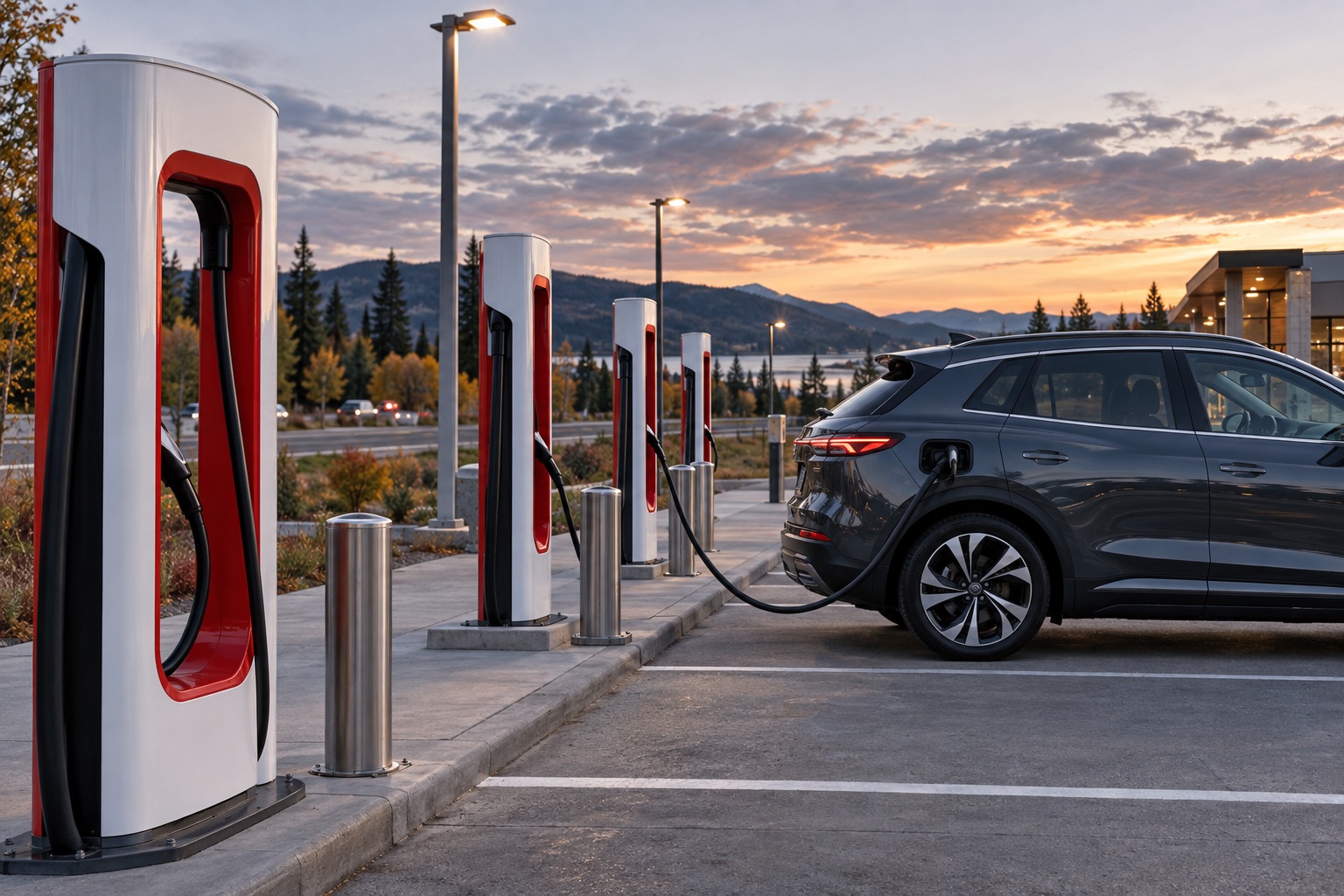
Drive Tesla Canada reported price increases at more than 200 Canadian Supercharger locations, compared with decreases at 65 sites. Ontario was among the provinces seeing widespread increases. Tesla does not publish a stable nationwide historical price table, so this network-wide comparison is attributed to that independent review; drivers should check the Tesla app for the current price at a specific station.
Public fast charging and home charging solve different problems
DC fast charging is indispensable on road trips because it can add substantial range during a relatively short stop. But using fast charging as an everyday energy source is generally much more expensive than plugging in overnight at home.
Ontario provides a clear comparison. The Ontario Energy Board currently lists 3.9¢/kWh from 11 p.m. to 7 a.m. under the Ultra-Low Overnight plan and 9.8¢/kWh for standard Time-of-Use off-peak electricity.
A 60 kWh home charging session therefore costs about $2.34 at the ULO overnight energy rate or $5.88 at the TOU off-peak energy rate. These figures exclude delivery, regulatory, tax, and other bill components, but they show why scheduled home charging is difficult for public fast charging to match on energy cost. See our broader home versus public charging comparison.
Why public charging prices can change quickly
Public charging networks operate expensive infrastructure. Prices can reflect electricity demand charges, equipment, site leases, maintenance, utilization, and local competition. Drivers should expect station prices to move over time rather than remain fixed.
More public infrastructure is good for road-trip convenience. It does not change the cost advantage of charging at home when that option exists.
The biggest home-charging advantage is scheduling
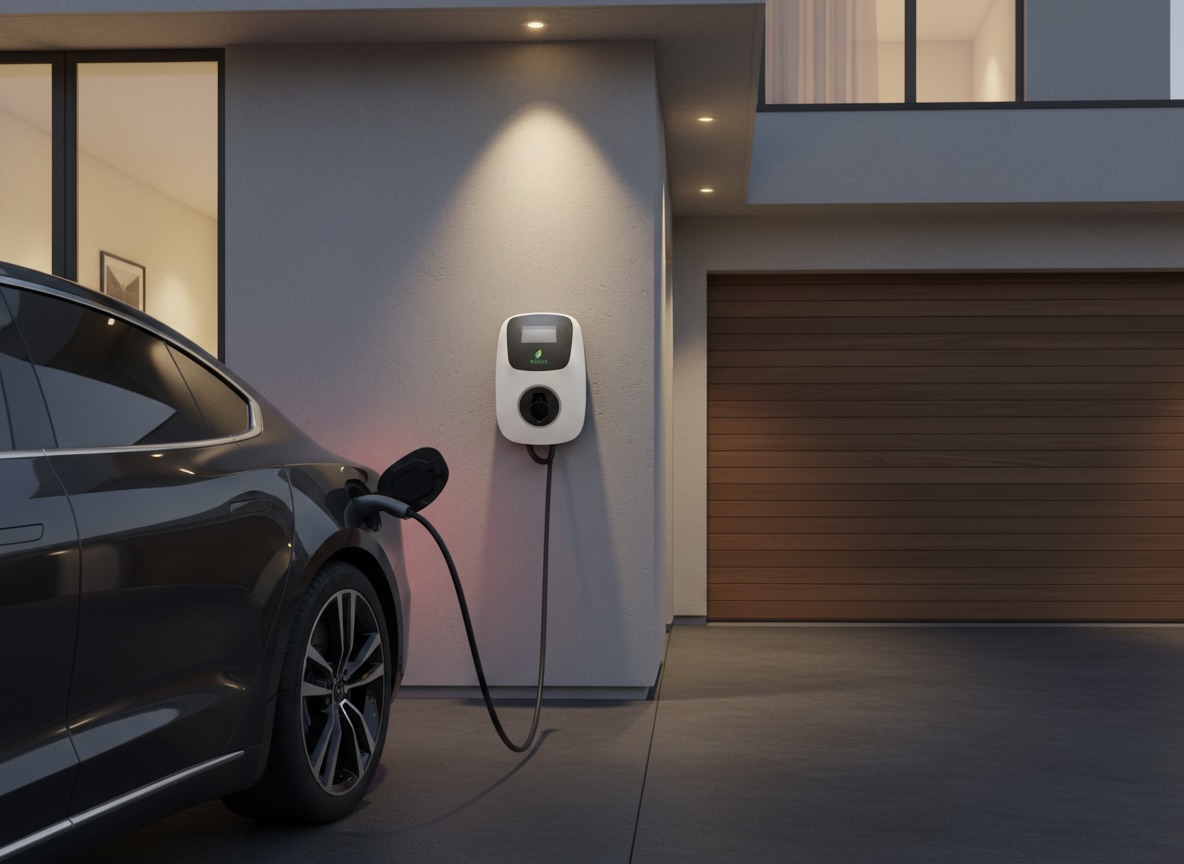
An EV is one of the easiest major household loads to move to inexpensive hours. A smart charger can remain plugged in and automatically begin charging during the overnight rate window. Our off-peak charging guide explains the rate windows in more detail.
Before switching electricity plans, compare your whole household's consumption, not just the EV. ULO has a very inexpensive overnight period but a substantially more expensive weekday peak period.
When you should still use fast charging
- Travelling beyond your EV's normal daily range
- You cannot charge where you live
- You unexpectedly need additional range
- Charging speed matters more than charging cost
For regular overnight charging at a detached or semi-detached home, Level 2 charging remains the more convenient and usually less expensive option.
Ready to charge at home?
A 40A or 48A home charger normally requires a dedicated 240V circuit, and a 48A hardwired charger typically requires a 60A circuit. Compare the options in our 48A versus 40A guide.
Choose your next step
Get the Voltix 48A home charger, find a licensed electrician, or use both paths for a complete home-charging setup.
Need a charger?
Shop the Voltix 48A hardwired Level 2 charger on Amazon.ca.
Shop Voltix on Amazon.ca →Need installation?
Get matched with independent licensed electricians serving your area.
Get Installation Quotes →Need both? The installation form lets you indicate that you still need a charger.