EV News · Updated October 5, 2026
Ontario Electricity Rates in 2026: What EV Owners Should Watch Before November 1
Ontario’s wholesale electricity forecast suggests costs could rise during nuclear refurbishments, but the OEB has not announced the household rates for November 1, 2026. EV owners can prepare by checking their rate plan and charging schedule once the new RPP prices are published.
What the wholesale forecast shows
The Ontario Energy Board's wholesale electricity market price forecast projects average wholesale prices climbing from roughly $55/MWh in late 2025 to about $94/MWh by late 2026 — a jump of around 71%. That is a wholesale forecast, not an announced household electricity price.
The forecast identifies several possible cost pressures. The four remaining Pickering nuclear units and a Bruce B unit are scheduled to begin refurbishment at the end of September 2026, taking a large block of low-cost baseload generation offline for an extended period. At the same time, the carbon price applied to gas-fired generation under Ontario's Emissions Performance Standards is set to keep rising toward $125/tonne in 2027. And separately, Ontario Power Generation has applied to the OEB for a substantially higher payment rate for its nuclear output — its 2026 filing sought an increase of roughly 72.6%, to $123.76/MWh — to cover the rising cost of the refurbishment program itself, as reported by The Globe and Mail.
What happens to your bill
None of this changes your regulated electricity price today. Under Ontario’s current Regulated Price Plan framework, the OEB reviews RPP electricity prices once a year for the November 1–October 31 period. As of October 5, 2026, the OEB has not published the RPP prices that will apply from November 1, 2026. Until that announcement is released, treat any specific cents-per-kWh figure for the coming rate year as a forecast rather than a household rate. Seasonal Time-of-Use periods and Tiered consumption thresholds can still change between summer and winter even though the underlying RPP price-setting cycle is annual. Check the OEB’s current rates.
Why this makes off-peak charging more valuable, not less
The current OEB rate plans still have different prices by time period. The size of any future gap depends on the rates the OEB actually publishes. We ran the numbers on that gap in our off-peak charging breakdown: even at current rates, overnight charging on Ultra-Low Overnight pricing can cost roughly a third of a Time-of-Use off-peak charge, and a fraction of an on-peak one. Scheduling remains useful under a rate plan with lower overnight prices, subject to your full household usage.
What EV owners should watch before November 1
Before the OEB announcement, it is a good moment to confirm your charger is actually scheduled to charge overnight rather than the moment you plug in after work, and to check which of the three residential rate plans fits your household's broader usage pattern, not just your EV. If your evening routine (cooking, heating, general appliance use) is hard to shift out of the 4–9 p.m. window, a narrower-spread plan like standard TOU may still beat ULO once new rates are published. Our Incentive Finder also tracks provincial charger rebates separately from electricity pricing, in case a rebate is still available in your area.
Outside Ontario
This particular rate cycle is Ontario-specific — it's tied to the province's nuclear refurbishment schedule and OEB rate-setting process. Other provinces set electricity prices through different mechanisms and timelines, so a similar increase isn't automatically coming to BC, Quebec, or Alberta on the same schedule. If you're outside Ontario, your utility's own rate announcements are the place to check, not this forecast.
The takeaway
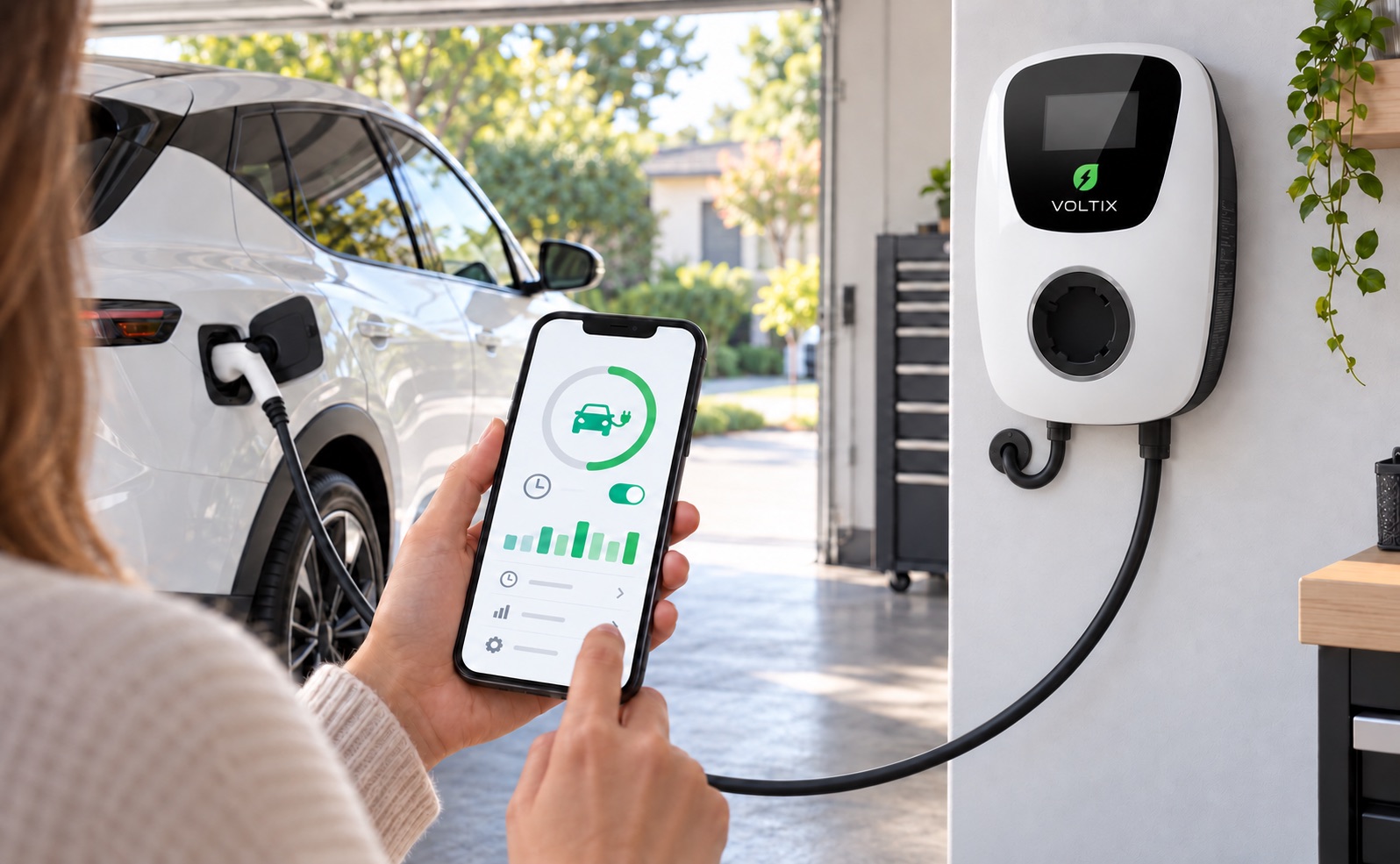
The wholesale forecast is a reason to watch the OEB announcement, not evidence that a specific household rate increase has been set. The core math still favours home charging over public fast charging by a wide margin, and a 48A charger like Voltix can schedule charging during lower-price periods when available. For help choosing the right unit, see our guide to the best Level 2 charger for Canadian homes.
Schedule cheaper charging, automatically
Voltix is a 48A hardwired Level 2 charger with app-based scheduling, built for Canadian weather and ETL Listed for safety.
Already own a charger? Installation requests are accepted for any brand. Still need one? The form lets you indicate that you need a charger and review the Voltix option.
Rebate deadlines & new guides, by email
Charger rebate rules and approved-model lists change. Get a short note when programs change or we publish a new guide. No spam.