EV News · July 27, 2026
Get Paid to Charge at Home: Canada's EV Charging Rewards in 2026
Rebates pay you once. As of this month, some Canadian EV owners are getting paid every time they plug in at home. On July 1, 2026, ChargeLab raised its home charging reward to 10¢ per kWh for eligible Canadian homeowners — the richest per-kWh residential rate announced so far. Here's how these programs work, who actually qualifies, and where they fit next to off-peak rates and provincial rebates.
What was announced
ChargeLab, a Toronto-based EV charging software company, announced that its ChargeLab Rewards program now pays Canadian homeowners 10¢ for every kilowatt-hour they charge at home, effective July 1, 2026. There are no earning tiers, no minimum payout, and no waiting period; rewards are currently paid quarterly as gift cards, with the company saying it will move to cash payouts by the end of 2026. ChargeLab says its average participant gets credit for more than 3,500 kWh per year — which at the new rate works out to over $350 annually just for charging at home as usual.
Where the money comes from
This isn't a promotional gimmick with an expiry date built in. Programs like this are largely funded by credits generated under Canada's Clean Fuel Regulations: home EV charging displaces gasoline, that displacement generates tradeable credits, and aggregators like ChargeLab sell those credits and share the proceeds with the households whose charging data generated them. Several utilities and third-party programs across Canada operate on the same mechanism, so expect more of these offers, not fewer.
Who qualifies — and the catch
Eligibility comes with real conditions. ChargeLab Rewards is open to single-family homeowners in Canada, and — this is the important part — it requires a connected smart charger the program can read charging data from. ChargeLab connects to OCPP-compatible chargers from a specific list of supported manufacturers, and other rewards programs maintain their own compatibility lists. Before you count on any per-kWh reward, check the specific program's supported-hardware list against the charger you own or plan to buy. No connectivity, no data; no data, no credits.
How rewards compare with your other savings
It's worth keeping the sizes of the levers straight. A per-kWh reward is a nice bonus, but for most households the bigger, more dependable lever is still when you charge: Ontario's Ultra-Low Overnight rate, for example, prices overnight charging at roughly a tenth of its peak rate, and similar time-of-use structures exist across much of Canada. We ran the numbers in our off-peak charging breakdown. And if you're in Quebec or PEI, the one-time provincial charger rebates still close December 31, 2026 — worth more in the near term than months of per-kWh rewards. Our Incentive Finder shows what applies to your address.
What this means if you're choosing a charger
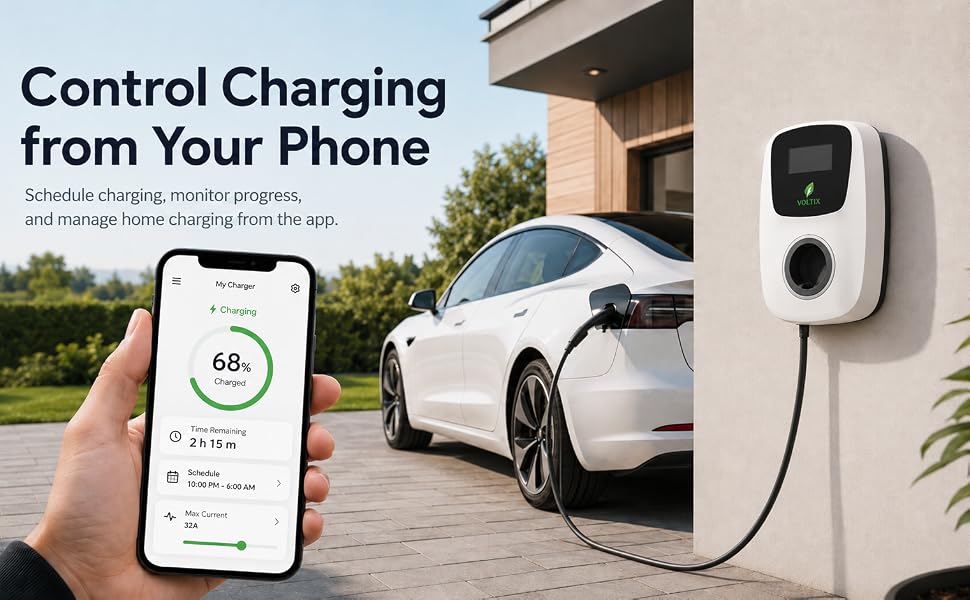
The practical takeaway for buyers: charger connectivity now has cash value in Canada, on top of its existing value for scheduling cheap overnight charging. But it shouldn't reorder your priorities. Safety certification, the right output for your panel, cable length, and weather rating still decide whether a charger serves you well for the next decade — a rewards program can change its rate or its hardware list at any time. Our guide to the best Level 2 charger for Canadian homes walks through those fundamentals, and a 48A unit like the Voltix with app-based scheduling captures the off-peak savings that remain the largest and most durable piece of the home charging math.
Check your rebates in 30 seconds
Our free Incentive Finder shows the EV and charger programs available where you live — including the ones with 2026 deadlines.
Open Incentive FinderRebate deadlines & new guides, by email
Provincial charger rebates expire — Quebec and PEI close Dec 31, 2026. Get a short note when deadlines approach or we publish a new guide. No spam.